





Sugar and small vessels
Blood sugar that stays high slowly damages the microvessels of the retina. Circulation suffers, and eye complications follow.
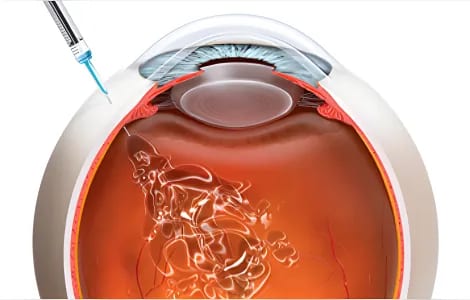
Diabetes can reach your retina long before you notice
Diabetic retinopathy is eye damage caused by diabetes: years of high blood sugar wear down the tiny vessels of the retina. Most people with diabetes develop it, and if it is left untreated or treated late it can cause blindness.
At Sky Eye Clinic in Seoul, the retina team identifies the stage of your disease at the exam, and the choice of injection, laser or surgery follows from that stage.
Blood sugar that stays high slowly damages the microvessels of the retina. Circulation suffers, and eye complications follow.
The retina is the layer that tells colors and objects apart. As its vessels weaken over the years, it is damaged too.
Early disease may cause no symptoms at all. Clear signs often appear only once it has advanced, which is why the right moment for treatment is so often missed.
What separates them is whether new vessels grow through the boundary membrane of the retina.
Vessel changes stay inside the retina and progress slowly, over several years. Vision falls, colors become harder to tell apart and night vision weakens. Sight is lost through bleeding or swelling in the macula.
This stage can move on to the proliferative one, so control of blood pressure and blood sugar should start early.
When blood no longer reaches the retina properly, new vessels form. Their walls never develop normally, so they break easily and leak plasma proteins and fluorescent substances.
This can make the vitreous contract and pull the retina loose. A heavy bleed into the vitreous brings sudden vision loss and has to be taken seriously.
Steroid or anti-VEGF antibodies are injected into the eye to hold back vitreous bleeding and new vessel growth, and they can even improve vision.
The procedure takes about 5 minutes, so it remains an option for patients whose general health is poor.
Focal laser and panretinal photocoagulation target areas of retina starved of oxygen, which is what drives the fragile new vessels.
This can cut down heavy vitreous bleeding and tractional detachment. In advanced disease it is used to prevent serious vision loss.
Surgery removes new vessels and the membranes around them from the surface of the retina.
It is considered for vitreous bleeding or clouding that does not clear, repeated bleeding, tractional detachment that threatens the macula or comes with a tear, severe bleeding at the macula, eyes where laser cannot be done, and new vessels on the iris.
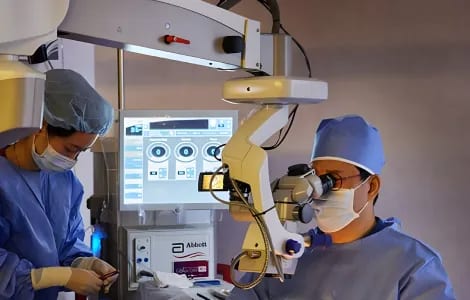
The stage found at your exam decides the plan, and eyes respond to treatment differently. Advanced disease can also lead to retinal detachment, and vessel problems overlap with retinal vascular disease.
Diabetes. Blood sugar that stays high slowly harms the small vessels of the retina, which leads to poor circulation and eye complications.
Often not. Blurred sight, glare, floaters and weaker night vision tend to appear only after the disease has progressed.
In the proliferative stage, fragile new vessels form that can bleed or cause detachment. In the non-proliferative stage, changes stay within the retina, but it can progress.
About 5 minutes, which is why patients in poor general health can usually receive it.