





The capsule stays behind
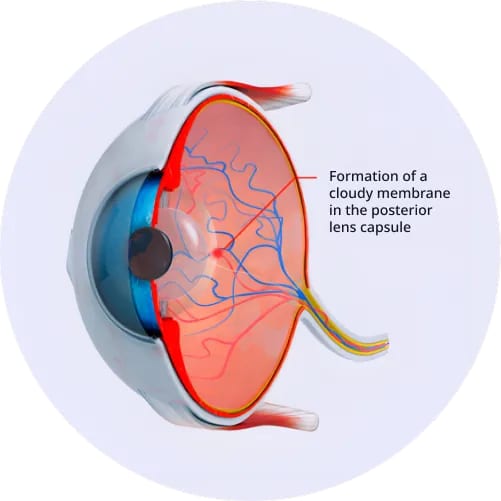
In cataract surgery the cloudy lens is removed and the IOL is placed in your original lens capsule, sometimes called the bag.
Cloudy again does not mean the cataract is back
If your sight turns hazy again after cataract surgery, the cause is usually posterior capsule opacification (PCO), often called a secondary cataract. It is not a new cataract.
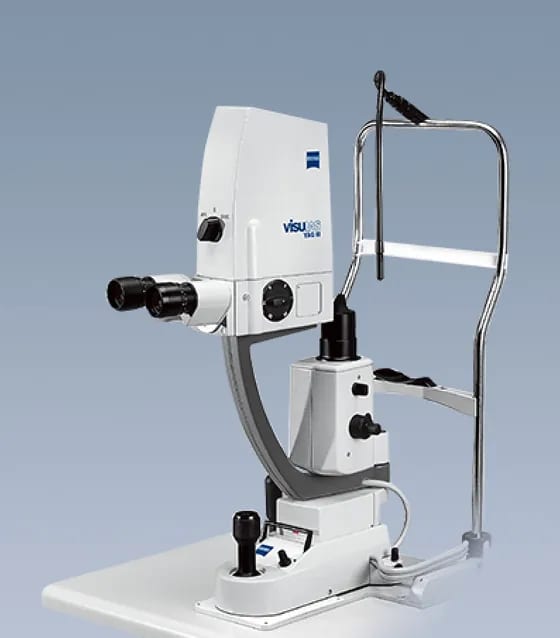
It is treated with a short outpatient laser procedure that fits around daily life.
In cataract surgery the cloudy lens is removed and the IOL is placed in your original lens capsule, sometimes called the bag.
Over time, cells left on the back of the capsule can multiply and spread. They form a cloudy membrane behind the IOL, and vision blurs much as it did before surgery.
PCO develops in about 10 to 20% of patients after cataract surgery, on average within 3 to 4 years. The range is wide: it can begin as early as 3 to 4 months after surgery, or several years later.
The laser makes an opening in the cloudy membrane so light can pass through again, restoring the vision you had after surgery.
Drops widen your pupil so the opacified capsule can be confirmed.
Anesthetic eye drops reduce discomfort.
The laser opens the cloudy membrane to let light through.
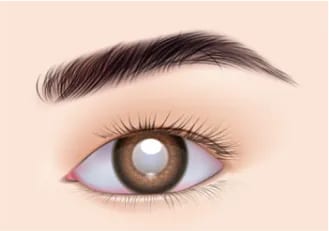
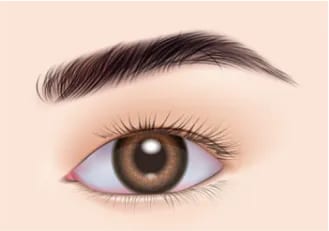
Once the capsule has been opened by laser, the clouding usually does not come back in that eye, though every eye is checked at follow-up. Everyday eye care still matters, and the before-and-after guide covers it.
For how the first operation works, see symptoms and causes; for the lenses, see the IOL guide. If your vision is clouding again, contact us.
Cells left on the back of the lens capsule grow into a cloudy membrane behind the artificial lens, and vision becomes hazy again, much like the original cataract.
In about 10 to 20% of patients, on average within 3 to 4 years. It may appear as early as 3 to 4 months or several years after surgery.
With a simple outpatient laser procedure. After dilating and numbing drops, the laser opens the cloudy membrane so light can pass through.
In most eyes the opening made by the laser stays clear, so the clouding usually does not return. Your follow-up visits confirm how your eye is doing.